













How to perfect the traditional Japanese soup with roasted duck breast and buckwheat?
Ingredients
for 2 people
- 350 g duck breast, ideally with a nice layer of fat
- 2 generous Japanese bunching onion (negi) stalks or young leeks
- 200 g soba buckwheat noodles
- 600 ml dashi stock, made with dried bonito flakes and kombu seaweed
- Artisanal koikuchi soy sauce, for saltiness and colour
- Authentic Japanese mirin, for sweetness and shine
- Shichimi togarashi, for serving
Mastering the duck soba recipe is an essential step for any lover of Japanese gastronomy. Known as kamo nanban, this comforting soup combines the earthy character of buckwheat with the richness of a hot broth infused with poultry juices. Its success rests not on complex technique, but on the excellence of the ingredients: an artisan dashi, a barrel-aged soy sauce and a quality duck breast.
What is kamo nanban?
In Japanese tradition, kamo nanban is eaten all year round, but it is particularly warming on cool evenings. "Kamo" refers to duck breast, a meat revered in Japan for its flavourful fat and noble texture.
"Nanban", literally "southern barbarians", once referred to foreign influences, Portuguese or Spanish. In cooking, the term indicates the presence of leeks or spring onions cut into large chunks and grilled. The harmony between the roasted allium, the poultry fat and the buckwheat noodles creates that contrast characteristic of Japanese refinement.
The ingredients, for 2 people
- 350 g of duck breast, ideally with a good layer of fat
- 2 large stalks of Japanese spring onion (negi) or young leeks
- 200 g of authentic buckwheat noodles
- 600 ml of an excellent dashi stock, made with dried bonito katsuobushi and kombu seaweed
- Artisan koikuchi soy sauce, for seasoning and colour
- Authentic Japanese mirin, for sweetness, gloss and roundness
Preparation: cooking the duck breast and the umami broth
Score the duck skin with the tip of a knife, without cutting into the flesh. Place it skin-side down in a cold pan, then turn the heat to low: the aim is to render the fat slowly without burning it. After 5 to 7 minutes, the skin is golden and crispy. Sear the meat on the flesh side for just two minutes. Remove the duck breast — it should remain pink at the centre — and rest it under a sheet of aluminium foil.
Meanwhile, assemble the broth in a large saucepan: dashi, soy sauce and mirin, kept at a gentle simmer.
The grocer's secret: nanban caramelisation. Do not rinse your pan. Use the rendered duck fat, highly fragrant, to brown the spring onion chunks on all sides over a medium heat. Their juices mingle with the fat and create a caramelisation that you then plunge directly into the broth.
Plating and serving
The final coordination is key: the soba must not sit waiting in the water, at the risk of losing their bite, the koshi.
- Plunge the soba into a large pot of boiling water for 4 to 5 minutes, according to the packet instructions.
- Drain and rinse very briefly in cold water to remove the surface starch, then pass them under very hot water for a second to bring them back up to temperature.
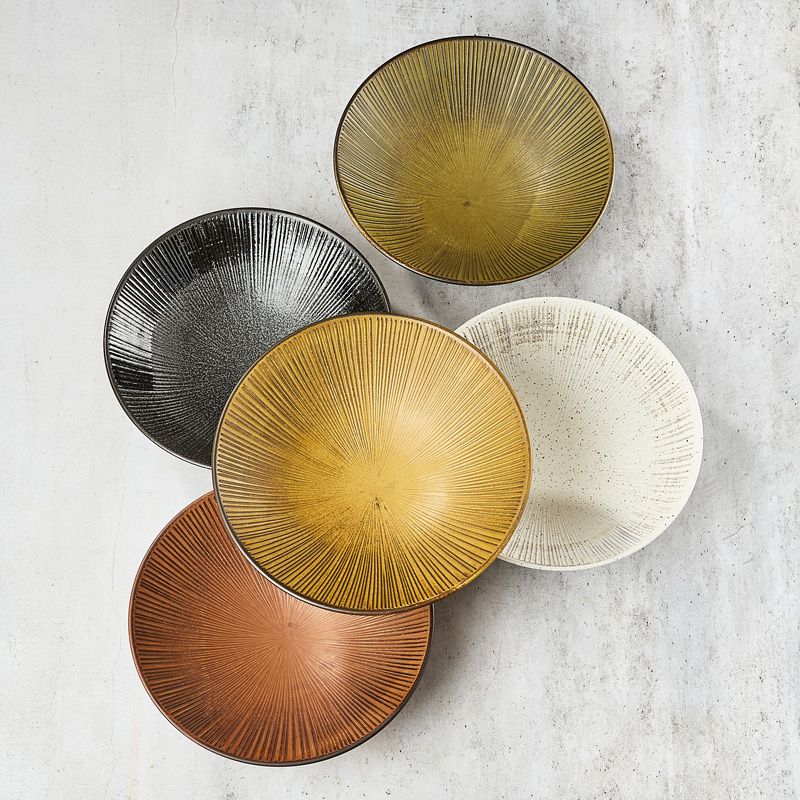
- Divide into large donburi or ramen bowls.
- Slice the rested duck breast into 5 mm slices and arrange them in a fan over the noodles, alongside the roasted leek chunks.
- Immediately pour the simmering broth over the top: the scalding liquid warms the meat without overcooking it.
- Sprinkle with a pinch of shichimi togarashi and enjoy piping hot, slurping the noodles.
Frequently asked questions
Can you use a meat other than duck breast?
Yes. The chicken variant, tori nanban, is very popular in Japan. Opt for boneless thigh, more flavourful and fattier than the breast, to achieve a rich broth.
Why does the broth for hot soba differ from the cold dipping sauce?
The cold dipping sauce, mentsuyu, is very concentrated because the noodles are only briefly dipped into it. The kake-tsuyu, the hot broth, contains much more dashi as it is drunk like a soup throughout the meal.
Should you rinse soba in cold water even for a hot soup?
Yes, it is crucial. Without rinsing, the layer of starch makes the broth cloudy and gelatinous. Rinse in cold water to smooth and stop the cooking, then blanch briefly to reheat before serving.
What condiment goes with this dish?
Shichimi togarashi, the seven-spice chilli blend, is the perfect companion for this broth: its notes of yuzu zest, sansho and sesame complement the intensity of the roasted duck. A touch of yuzu kosho on the rim of the bowl works very well too.


