













In short: the best udon noodles depend on how you plan to use them. For a thick, springy texture (the famous koshi), Sanuki udon are the benchmark. For a finer, more delicate experience, choose Inaniwa udon. Fresh or frozen varieties offer the best texture; dried ones keep the longest.
| Type | Texture | Ideal for |
|---|---|---|
| Sanuki (Kagawa) | Thick, firm, elastic | Kake udon, bukkake, the benchmark for koshi |
| Inaniwa (Akita) | Thin, smooth, delicate | Refined dining, served cold (zaru) |
| Kishimen | Flat, wide | Broths, simmered dishes |
Udon is one of Japan’s iconic noodles: thick and soft, made from wheat flour, water and salt. But not all udon are alike: the variety, shape and way they are stored can make a dramatic difference to the finished dish. Here is how to choose.
What makes good udon?
The quality of udon is judged above all by its koshi: a firm yet elastic texture with a slight spring when you bite into it, which is the noodle’s defining characteristic. It depends on the flour, kneading and resting of the dough. Good udon should also have a smooth surface that holds the broth well and retain its shape during cooking without becoming mushy.
The main types of udon
Japan has many regional specialities. Sanuki udon (from Kagawa Prefecture) are the most famous: thick and firm, with pronounced koshi, they are the definitive benchmark. The thinner, smoother Inaniwa udon (from Akita) are hand-stretched and enjoyed as a more refined dish, often served cold. Flat, wide kishimen (from the Nagoya region) are excellent in broths and simmered dishes.
Fresh, dried or frozen?
| Format | Texture | Storage | Who it’s for |
|---|---|---|---|
| Fresh or frozen | Excellent (koshi) | Short, or long in the freezer | The best balance of flavour |
| Semi-dried | Very good | Medium | Good balance |
| Dried | Good | Long (in the cupboard) | Convenience, stocking up |
For the best texture, fresh or frozen udon come out on top: they retain all their softness. Dried udon are easier to store and remain excellent when cooked properly (follow the cooking time, then plunge them into cold water to firm up their koshi).
How to enjoy them
- Kake udon: in a hot broth of dashi, soy sauce and mirin.
- Zaru udon: served cold and dipped in tsuyu sauce.
- Yaki udon: stir-fried with vegetables and sauce.
- Curry udon: in a comforting Japanese curry broth.
What goes well with udon?
There are plenty of classic udon toppings: tempura (prawn or vegetable, for tempura udon), aburaage (sweetened fried tofu, for kitsune udon), poached egg, spring onion, kamaboko (fish cake), or a scattering of tempura crumbs (tenkasu). For seasoning, a little shichimi togarashi adds spice to the broth, while grated ginger brings freshness. Udon’s strength is its versatility: it works just as well in comforting broths as in stir-fried or cold dishes.
Where do udon noodles come from?
Udon has been part of Japan’s culinary heritage for centuries. Kagawa Prefecture, nicknamed ‘Udon Prefecture’, is its best-known heartland: it has an impressive concentration of specialist shops, and Sanuki udon (named after the former province) are a true institution there.
Each region has developed its own variety according to its water, local wheat and eating habits: noodles that vary in thickness and firmness, served hot or cold. This diversity means there is no single ‘udon’, but a whole family of noodles with distinct characters.
Common mistakes to avoid
- Overcooking the noodles: they lose their koshi and become soft. Follow the cooking time and taste them.
- Skipping the cold-water bath: for cold dishes, it firms up the texture and removes surface starch.
- Salting the cooking water: there is no need for udon (the dough already contains salt); use plenty of unsalted water.
- Choosing the wrong format: low-quality dried udon will never match fresh or frozen noodles.
Our comparative selection
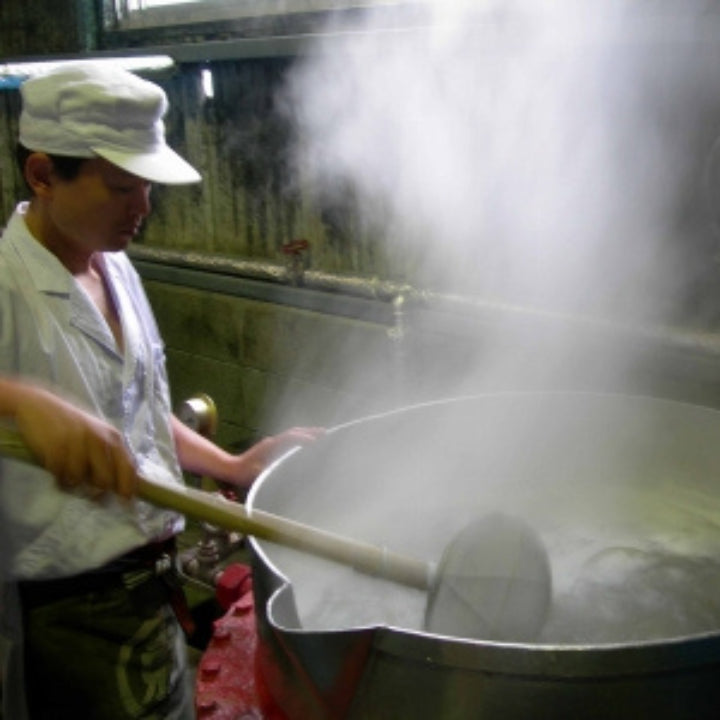
Here is a comparison of our udon noodles. Our artisan producer Sanuki Shisei uses more water when kneading the dough (38 to 47%), giving the noodles a smooth, glossy surface after cooking.
| Our product | Flavour profile |
|---|---|
| Thick Sanuki udon | The benchmark: thick, al dente, glossy |
| Thick Maru udon | Generous, satisfyingly thick |
| Hippari udon | Artisanal, distinctive texture |
| Gomamen (sesame udon) | Sesame-flavoured |
- Our pick: thick Sanuki udon, the best texture for the price and the benchmark for koshi.
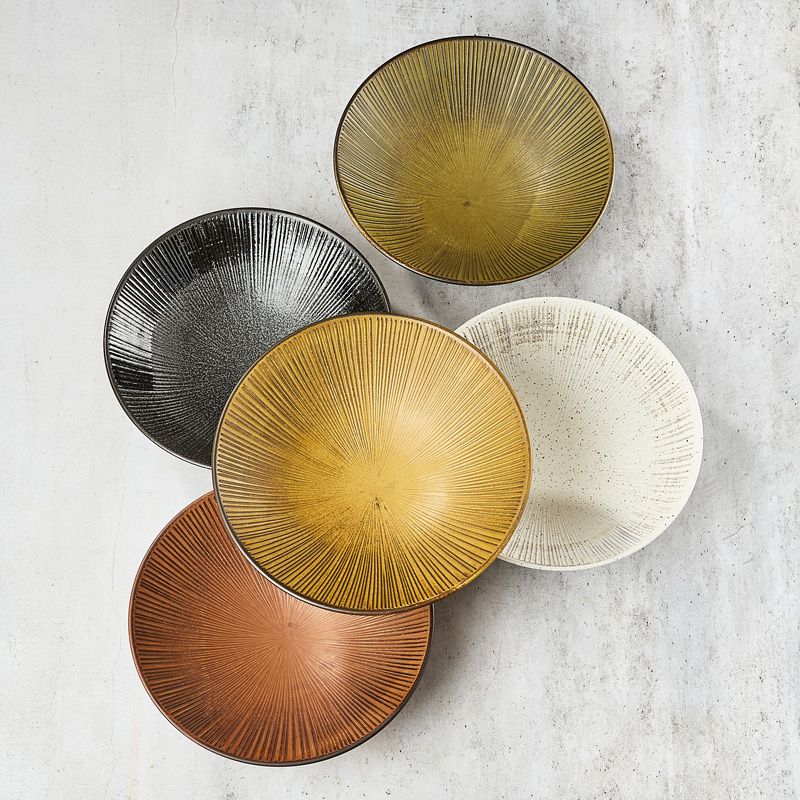
- To serve with them: dashi broth, soy sauce and bowls for ramen and udon.
Frequently asked questions
What is the best udon brand?
The type matters more than the brand: Sanuki for firm koshi, Inaniwa for delicacy. Choose fresh or frozen varieties for the best texture.
Fresh or dried udon: which should you choose?
Fresh or frozen udon offer the best texture; dried udon are easier to store and very good when cooked properly.
What is the difference between udon and soba?
Udon is a thick wheat noodle; soba is thinner and made with buckwheat. Their textures and flavours are very different.
How do you cook udon noodles?
Cook them in plenty of boiling unsalted water for the time indicated, then rinse in cold water to firm up their koshi (unless serving them immediately in hot broth).
What is koshi?
It is the firm, elastic texture sought in good udon, the Japanese noodle equivalent of ‘al dente’.
Do udon contain gluten?
Yes, they are made from wheat flour, so they are not suitable for gluten-free diets.
Can you freeze udon?
Yes, and it is an excellent way to preserve their texture: frozen udon are renowned for their quality.
What broth should you use for udon?
A dashi broth seasoned with soy sauce and mirin for kake udon; a more concentrated tsuyu sauce for cold versions.
Our verdict
If you are new to udon, start with fresh or frozen Sanuki udon: they offer the best balance of texture and enjoyment, with that distinctive springy koshi. Save Inaniwa for more refined meals, and keep dried udon in the cupboard for busy evenings.


