











Choosing the best rice vinegar is the best-kept secret of master sushi chefs. Forget industrial vinegars diluted with synthetic alcohol: a great Japanese vinegar requires months, if not years, of slow fermentation.

Our ranking showcases exceptional vinegars, brewed using age-old methods to bring unparalleled depth and umami to your dishes, whether seasoning rice or elevating a marinade.
Comparison chart: the best rice vinegars
| Type of vinegar | Origin / ingredient | Taste profile | Recommended uses |
|---|---|---|---|
| The best akazu (red vinegar) | Fermented from sake lees (sakekazu) aged for several years. | Very rich in umami, dark amber colour, very mild acidity, cocoa notes. | Authentic traditional Edo-style sushi, marinades for rich fish. |
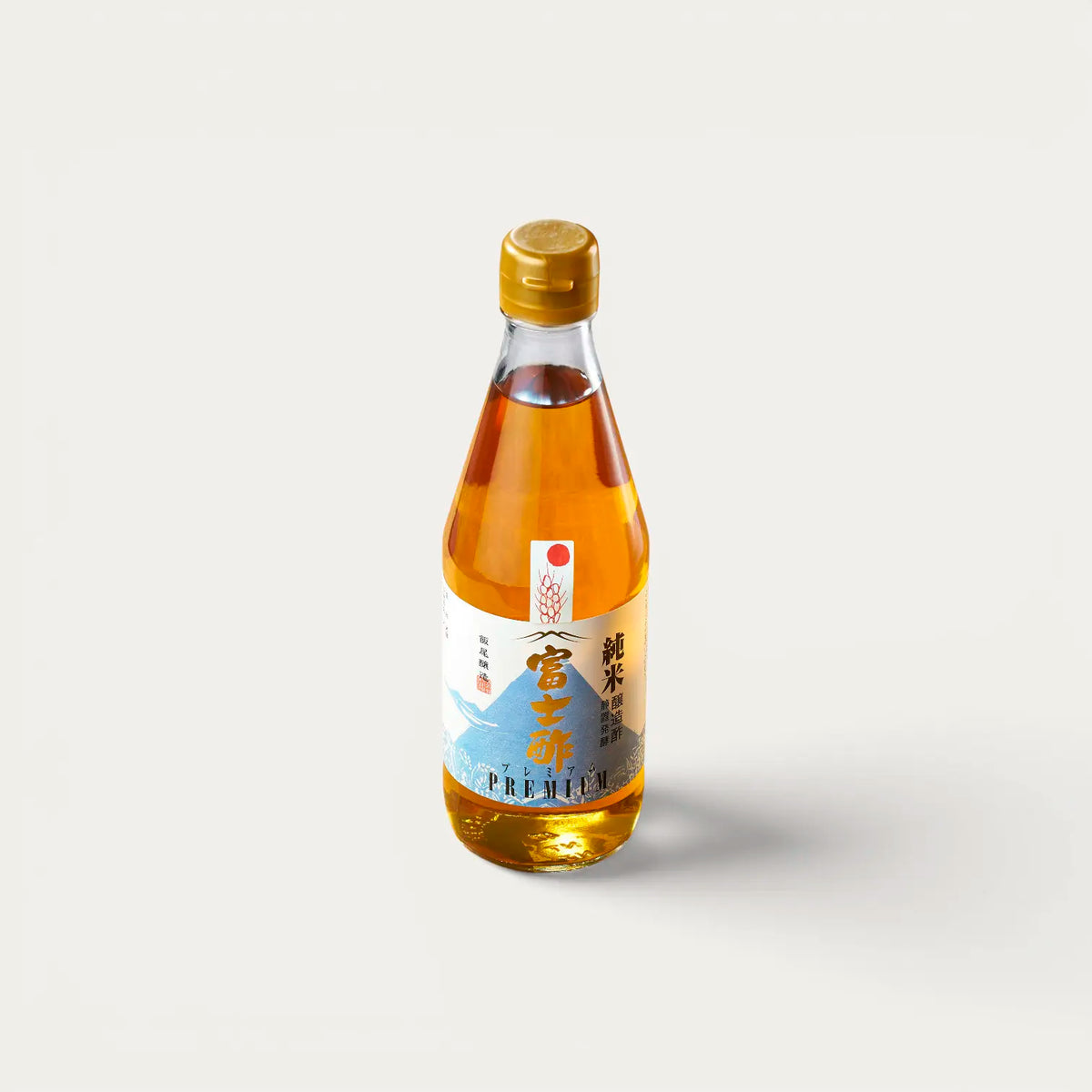
| The best pure rice vinegar (junmaisu) | Crafted exclusively from premium Japanese rice. | Lively, clean acidity with fresh cereal notes. | Dressings (sunomono), classic sushi, preserving vegetables. |
| The best kurozu (black vinegar) | Brown rice, fermented in the sun in earthenware jars. | Complex, earthy, rounded acidity, rich in amino acids. | Sweet and sour sauces, meat marinades, health tonics (diluted). |

The Nishikidori expert's view: akazu marks the great return of tradition. Once reserved for the elite restaurants of Tokyo, this red vinegar provides such depth that it allows you to drastically reduce the amount of salt and sugar when preparing your sushi rice.
Our expert tips for using rice vinegar
Japanese rice vinegar (komezu) is much milder and more aromatic than Western wine vinegars. Here is how to make the most of it:

- The art of "su" for sushi: never pour neat vinegar directly onto your rice. You should first prepare an awase-zu (seasoned vinegar) by gently warming your rice vinegar with sugar and sea salt until completely dissolved, before folding it delicately into the warm rice.
- Refreshing dressings (sunomono): with its acidity generally around 4.5% (compared to 6–7% for European vinegars), rice vinegar makes for exceptionally light and refreshing cucumber or seaweed salads that are easy on the stomach.
- Kurozu as a wellness elixir: Kagoshima black vinegar is not only used for cooking. In Japan, it is common to dilute a tablespoon in a tall glass of sparkling water with a drizzle of honey to create a revitalising, detoxifying drink.
FAQ: Everything you need to know about rice vinegar
Does rice vinegar contain alcohol?
Authentic rice vinegar is produced through a double fermentation process: the rice first ferments to produce alcohol, and then acetic acid bacteria convert this alcohol into acetic acid. In a finished, natural product, the alcohol is almost entirely metabolised, leaving only trace amounts (less than 0.2%). As certifications vary, please check labels for strict dietary requirements.
Why does akazu have such a dark colour?
Akazu is not made directly from rice grains, but from sakekazu, the sake lees left over after pressing rice. These lees are stored and aged for several years, often 3 to 5 years. During this process, the amino acids react and turn a dark, brownish-red colour. It is this lengthy ageing that gives it its extraordinary concentration of umami.
Can rice vinegar be substituted with white vinegar or cider vinegar?
For authentic Japanese cuisine, it is strongly discouraged. White vinegar and wine vinegar have a far too harsh and sharp acidity. Cider vinegar is milder, but its fruity apple notes will overpower the delicate flavour of raw fish. If you run out, choose a very mild white wine vinegar, diluted with a drop of water and an extra pinch of sugar.
How should artisanal rice vinegar be stored?
Unlike soy sauce, vinegar is an extremely stable natural preservative owing to its acidity. It does not need to be refrigerated. Simply store it in a cool, dry, dark cupboard at room temperature, and be sure to seal the cap tightly after each use.


