













Selecting the best ponzu requires understanding the delicate balance between the bright acidity of Japanese citrus and the marine depth of traditional broths. This refreshing, complex condiment has become indispensable in kitchens worldwide for waking up delicate dishes. This guide breaks down the makeup of this staple and helps you recognise genuine artisan production methods. Explore our direct imports in our dedicated ponzu sauces category.

What is authentic Japanese ponzu?
Historically, this condiment contained no soy sauce. Today, the term generally refers to ponzu shoyu, a blend of several cornerstone Japanese ingredients:
- Soy sauce: provides saltiness, amber colour, and a rich fermented base (discover our soy sauce).
- Citrus juice: the heart of the recipe, bringing freshness, fragrance, and brightness.
- Dashi: infused broth (seaweed and/or bonito) that delivers the signature umami.
- Vinegar (usually rice vinegar): to balance the sauce and provide long-lasting freshness.
The origin of the word is fascinating: it is thought to derive from the Dutch "pons" (punch, a citrus drink introduced in the 17th century), to which the Japanese added the suffix "su" (vinegar, acid).
Yuzu, sudachi, daidai: which citrus fruit should you choose?
Not all condiments are created equal, as flavour profiles vary dramatically depending on the fruit used. Here is a comparison to help you choose the best citrus acidity for your cooking:

| Citrus type | Dominant aromatic profile | Recommended food pairings and uses |
|---|---|---|
| Yuzu | Deeply floral, elegant, subtly sweet, and intensely aromatic. | Salads, raw white fish, versatile light seasoning. |
| Sudachi | Vibrant, crisp, highly refreshing with subtle peppery notes. | Grilled mushrooms, fatty fish, oysters. |
| Daidai | Japanese bitter orange. Deep, refined, and subtly bitter taste. | Traditional Japanese hot pots (nabe) or braised meats. |
| Kabosu | Mild acidity, rounded and complex flavour, softer than lemon. | Sashimi, delicate carpaccio, chilled tofu. |
Criteria for identifying quality artisanal products
Most products on European supermarket shelves are mass-produced. They replace fresh fruit juice with synthetic flavourings and use high-fructose corn syrup to mask sharp chemical acidity.

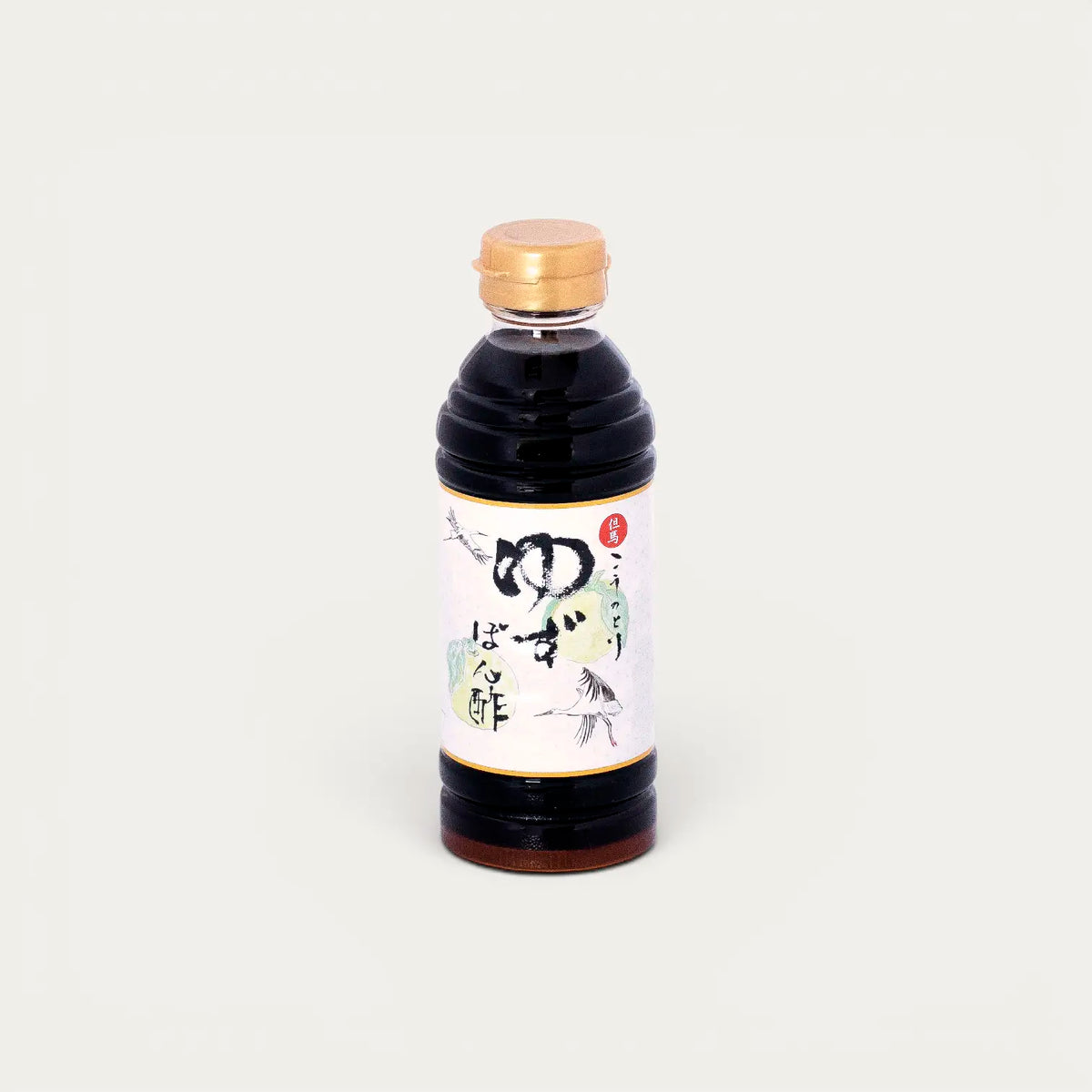
To identify an artisanal and truly natural product, look at the label. A true artisan sauce will feature a genuine percentage of citrus juice, often hand-pressed, and a dashi made with real kombu seaweed or katsuobushi. At Nishikidori, we guarantee directly imported products, free from chemical flavour enhancers, born from the craftsmanship of traditional brewers in Shikoku and Kyushu.
Culinary ideas and traditional recipes
The brightness of this condiment makes it a powerful ally for cutting through rich dishes or seasoning without weighing them down. Discover these ideas inspired by our Japanese recipes:
- For seared meats: beef tataki with ponzu sauce, where the acidity cuts through the richness of the seared meat.
- For warming winter meals: it is essential as a dipping sauce for shabu-shabu hot pots, perfect for dipping finely sliced meats and poached vegetables.
- For seafood: a scallop salad with yuzu ponzu enhances the sweetness of the shellfish without masking it.
- For dressings: mix it with an oil base to bring a twist to your salads, as a zesty alternative to our wafu dressing with sesame oil.
FAQ on Japanese citrus sauce
How does it differ from classic soy sauce?
The difference is simple: soy sauce is a single base ingredient, purely salty and rich in umami. Ponzu is a blend, typically containing soy sauce combined with citrus juice, vinegar, and dashi, making it simultaneously savoury, tangy, fruity, and much lighter in texture.
How should it be stored once opened?
As a natural product containing fresh fruit juice and often free from chemical preservatives, refrigeration is essential once opened.
Does this product contain gluten?
In most cases, yes. If it is a ponzu shoyu, the soy sauce used in the recipe contains wheat. Those with coeliac disease should look for versions made specifically with tamari soy sauce, which is wheat-free.
Can you heat it?
It is not recommended. Cooking destroys the delicate, volatile aromatic compounds of yuzu or sudachi. It is best used as a cold finishing sauce or as a dipping condiment alongside warm dishes.
Is it suitable for a vegan diet?
Check the label carefully. While the citrus acidity is always plant-based, the broth used in artisanal versions often contains dried bonito. Look for "kombu dashi" on the label for a 100% plant-based version.
Which citrus is best paired with oysters?
Sudachi is the undisputed king of pairings for briny seafood. Its crisp acidity and subtly peppery notes make a wonderful alternative to lemon or Western shallot vinegar.
Can you make it yourself?
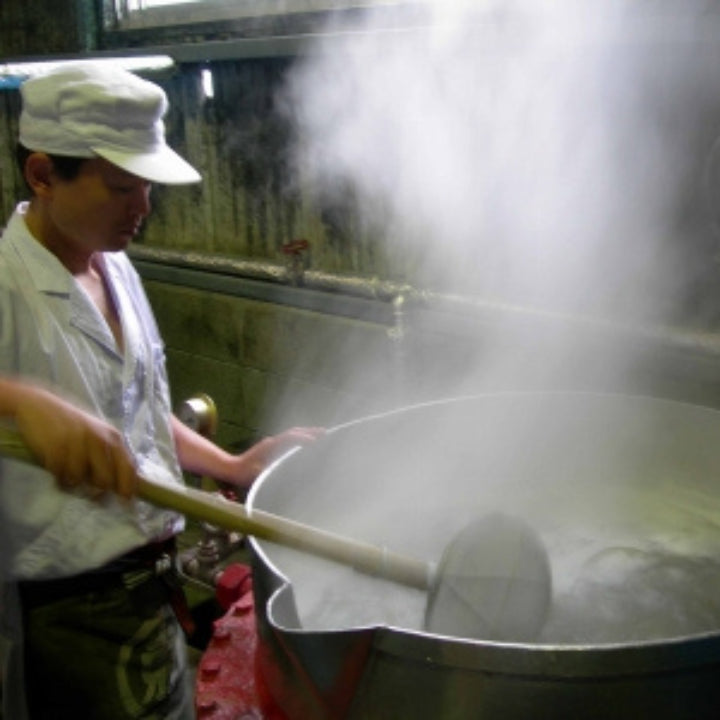
Absolutely. You can combine quality soy sauce, yuzu juice (or lime juice if unavailable), a splash of mirin, and steep a piece of kombu in the mixture for 24 hours. However, Japanese artisans master a vat-ageing process that softens and balances flavours in a way that is difficult to recreate at home.


