











The quest for authenticity and traceability in fine dining has never been stronger. Michelin-starred chefs and discerning food lovers are no longer satisfied with standardised products. To determine the best soy sauce (shoyu), one must evaluate the fermentation method — ideally natural in cedar barrels, or kioke — and the ageing time.

Far from mass-produced sauces made in just a few days, the selection by the Nishikidori tasting committee highlights elixirs aged from 1 to 38 years, sourced directly from Japan's finest artisan producers (kura).
Comparison chart: the best soy sauces
| Type of sauce | Our recommendation | Ageing time | Aromatic profile | Ideal for… |
|---|---|---|---|---|
| The best exceptional shoyu | Kamebishi-Ya soy sauce | Aged 10 years | Syrupy texture, notes of cocoa, truffle, and forest floor. Pure umami. | Neat tasting, finishing touch on foie gras or wagyu beef. |
| The best tamari sauce | Tamari Tsuresoi | Aged 3 years | Wheat-free (ideal for gluten-free diets). Full-bodied, deep, brewed with sea salt. | Fatty fish sashimi (tuna, salmon), glazes, red meats. |
| The best white sauce (shiro) | Shiro Shoyu Tsubaki | Short maturation | Clear, sweet, rich in wheat. Free from colourings and preservatives. | Savoury custards (chawanmushi), steamed vegetables, clear broths. |
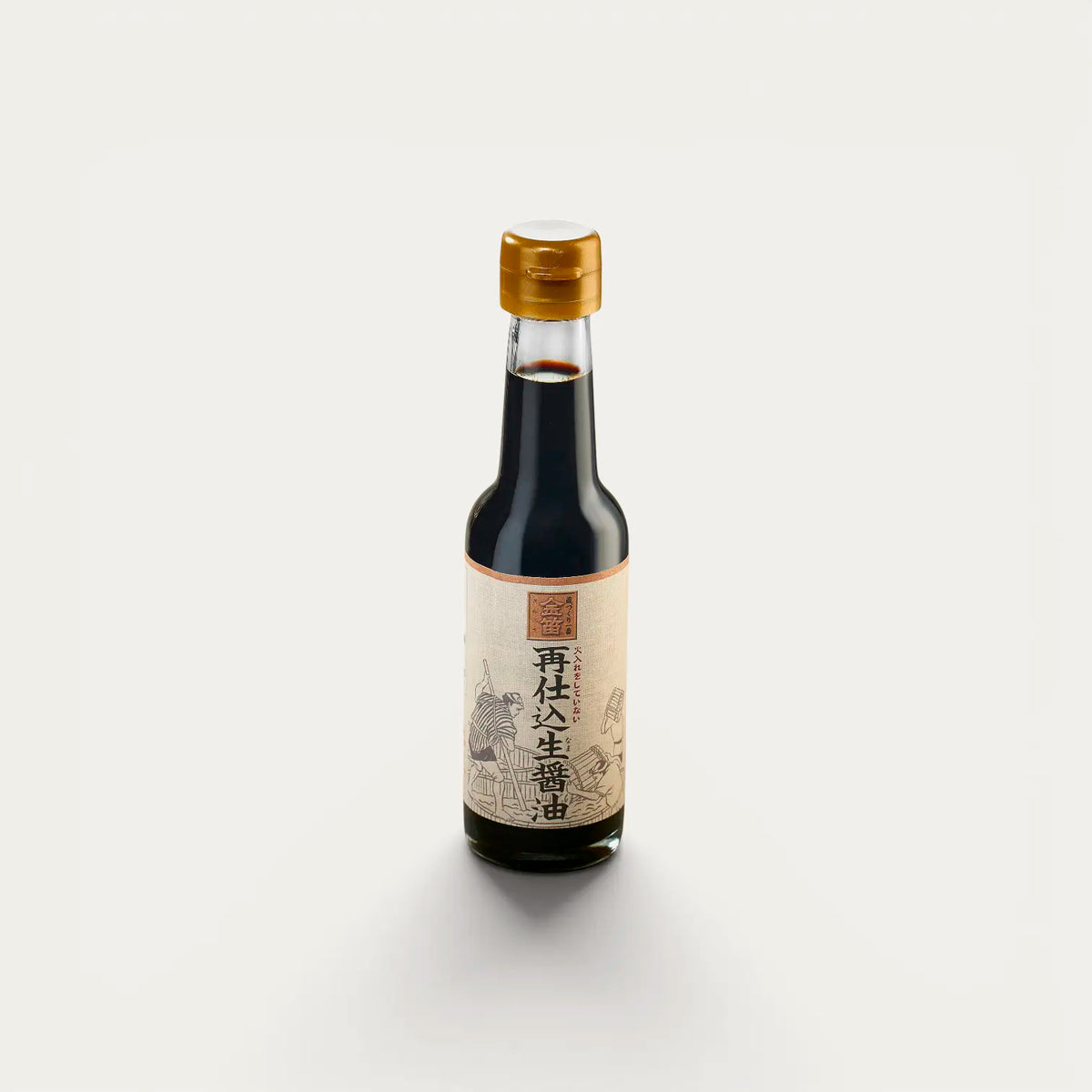
| The best double-fermented soy sauce | Kinbue Saishikomi | 24 to 36 months | Fermented with soy sauce instead of salt water. Silky and intense. | Meat tartares, carpaccios, rich glazing sauces. |

The Nishikidori expert's view: we are seeing a return to authentic origins. Chefs are increasingly favouring saishikomi (double-fermented) sauces for their intensity without harsh saltiness. If you could only keep one bottle for sushi, choose a traditional tamari.
Our expert tips for using soy sauce
A grand cru soy sauce should be treated just like a traditional balsamic vinegar or a vintage olive oil. Here is how to get the best from it:

- Do not cook at high temperatures: aged soy sauces (3 years and older) lose their complex aromas when brought to the boil. Use standard sauces for marinades and cooking, and keep your finest vintages for finishing, either cold or drizzled over warm dishes just before serving.
- Drop-by-drop seasoning: the umami depth of an artisanal sauce is so concentrated that there is no need to drown your food. For sashimi, dip only the fish flesh (not the rice) so as not to overwhelm the palate.
- Texture pairing: pair a light, fluid sauce (shiro) with delicate ingredients (white fish, shellfish), and a thick, syrupy sauce (tamari or saishikomi) with red meats or fatty fish.
FAQ: Everything you need to know about soy sauce
What is the fundamental difference between shoyu and tamari?
Shoyu (classic soy sauce) is brewed from a blend of grains, generally soybeans and roasted wheat, or more recently rice, giving it a rounded, slightly sweet flavour. True tamari, by contrast, is made exclusively from a single grain, usually wheat or soybeans. It is thicker, darker and has a much higher concentration of umami.
Why is artisanal Japanese soy sauce more expensive?
The price reflects time and craftsmanship. Mass-produced sauce is made in a matter of weeks using chemical accelerators and artificial flavourings. An artisanal sauce rests for 1 to 38 years in century-old cedar barrels, undergoing natural evaporation that concentrates its flavours — a process requiring utmost patience and care.
Does artisanal soy sauce contain gluten?
Classic shoyu contains gluten due to the use of wheat in its brewing process. However, the lengthy fermentation process breaks down much of this gluten. For people with coeliac disease, it is essential to opt for tamari sauce, which is naturally wheat-free — always check for the "gluten-free" mention on the product page.
Is it normal to have sediment at the bottom of my soy sauce bottle?
Absolutely. A light sediment at the bottom of a bottle of artisanal, chemically unfiltered soy sauce is a mark of quality. These are natural residues from the fermentation of soy proteins. Simply give the bottle a gentle shake before use.


