











The best sake (nihonshu) is not necessarily the most highly polished. The rice polishing ratio (seimai-buai) determines the category and style of sake, not its quality. What makes a great sake is the spring water, rice, yeast and unique expertise of each master brewer (toji). Drawing on its direct sourcing from Japan’s most prestigious breweries (kura), Nishikidôri has put together its selection of favourites.

Sakes fall into several major categories, ranging from dry, grain-forward profiles to floral and fruity styles. Explore our comparison to find the perfect bottle and elevate your culinary pairings.
Comparison chart: the best sakes by category
| Category | Tasting profile | Polishing ratio (remaining rice) | Our food and sake pairing advice |
|---|---|---|---|
| The best junmai daiginjo | Elegant, floral and fruity (melon, pear, white peach), with a silky texture and delicate acidity. | 50% or less (35 to 50% in our selection) | Sushi, sashimi and seafood, but also blue cheeses, foie gras and cured ham. For example, the KIN (OR) with steamed white fish, the Gozenshu Gen with Roquefort or pan-seared foie gras. |
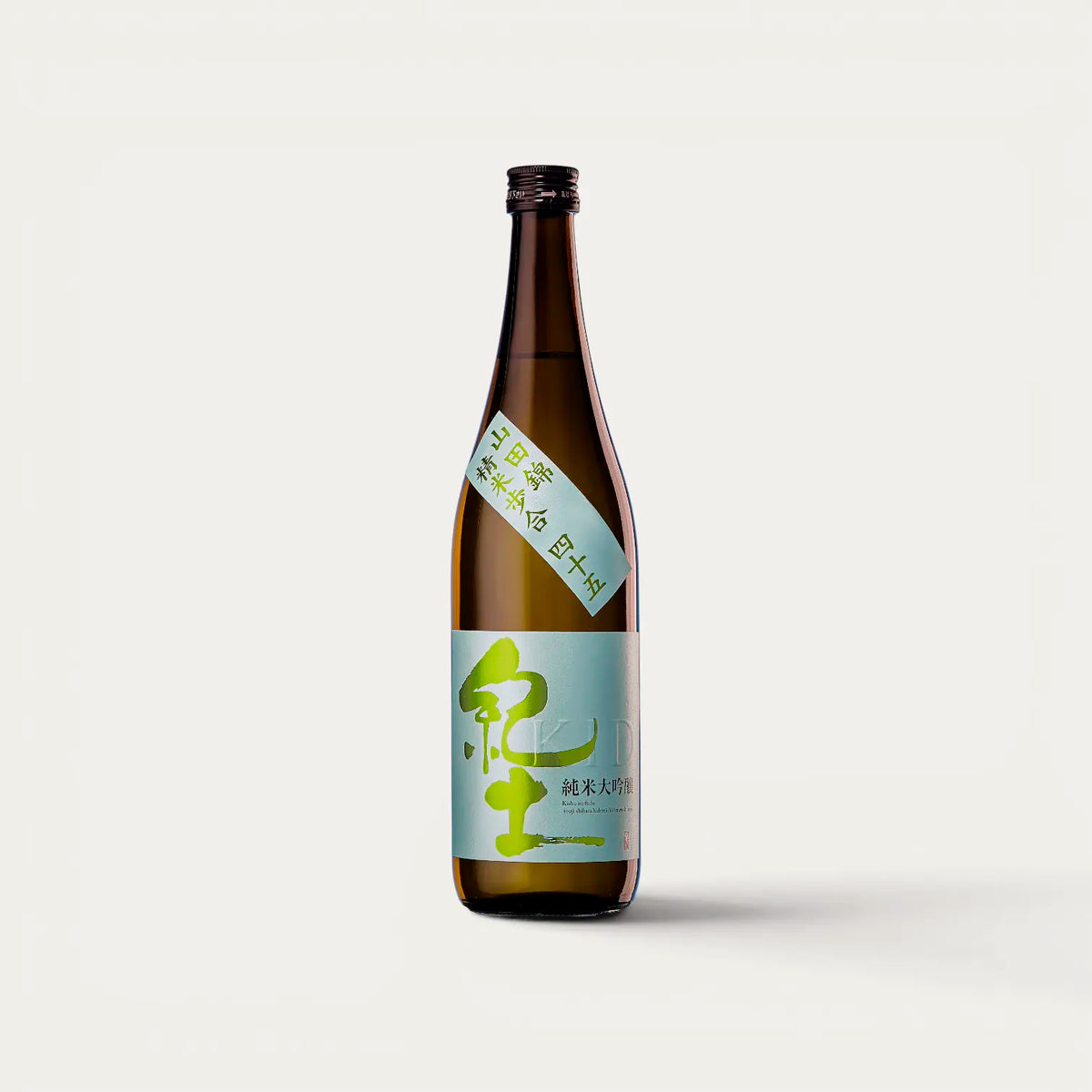
| The best junmai ginjo | Fruity, well-balanced, complex aromatic structure with lovely brightness. | 60% or less (50 to 60% in our selection) | Oysters, shellfish and raw seafood, sashimi, cured hams, dishes made with dashi and steamed dishes. For example, the Danchigai Karakuchi with a seafood platter, the KID Junmai Ginjo with mussels or steamed scallops. |
| The best junmai (pure rice) | A pronounced sense of terroir, floral, fruity, cereal or lactic notes, and abundant umami. | No required minimum polishing level (60 to 90% in our selection) | The most versatile category: oysters and seafood, grilled poultry or poultry in cream sauces, yakitori, grilled meats and, when served warm, slow-cooked dishes. For example, the Houka Junmai Genshu with yakitori or braised pork, the Gokyo Kimoto served warm with pot-au-feu, theIwate No Jizake with a creamy veal stew or fish with beurre blanc sauce. |
| The best koshu (aged sake) | Pale yellow to amber depending on ageing, with notes of dried and candied fruit (apricot, fig, ripe pear), caramel, honey and spices. | 50 to 65% in our selection, aged for at least 3 years (vintages from 1999 to 2010) | Foie gras, duck breast, game, wild mushrooms and truffles, blue cheeses, chocolate desserts or roasted fruit. For example, the Kusudama 2007 with truffle risotto, the Fukumitsuya 1999 with duck breast or a chocolate tartlet. |

The Nishikidôri expert’s view: for your first taste, choose a junmai. Brewed solely from rice, kōji and water, it expresses the flavour of the rice and its terroir directly, with generous umami. It is also the most versatile category at the table, and many junmai can be enjoyed either chilled or warm. To start with, the KID Tokubetsu Junmai Omachi will appeal to most people, while the Houka Junmai Genshu wins people over with its roundness and approachability.
Our expert tips for serving and pairing sake
Sake is a subtle beverage that, just like fine wine, requires special attention when serving. Here are our tasting committee's golden rules:

- Choosing the right glass: forget small shot glasses. When served chilled, most sakes show beautifully in a white wine glass, which allows their fruity and floral aromas to open up on the nose. Sparkling sakes are served in a flute. When served warm, they are enjoyed from a shallow cup (sakazuki) or a small cup (ochoko).
- Serving temperature: most sakes are served chilled, at around 8 to 12 °C. Many can also be served warm, between 35 and 50 °C, which rounds out their texture and brings out umami and rice notes. This is true of many junmai, such as Tosa Kinzo Tokubetsu and Gokyo Kimoto, as well as some ginjo and daiginjo, such as Danchigai Karakuchi and KID Daiginjô. Very fruity and sparkling sakes are best enjoyed well chilled. Koshu can be served chilled (5 °C) or at room temperature (18 to 20 °C). Each product page gives the ideal serving temperature for the sake.
- Storing your bottles: unlike wine, most sakes are not made to age in a cellar. They should be drunk within a year of bottling. Store unopened bottles upright in a cool place and, above all, away from light, as UV rays quickly degrade the drink. Unpasteurised sakes (nama) should be kept in the fridge.
FAQ: Everything you need to know about sake
How should an opened bottle of sake be stored?
Sake oxidises much more slowly than wine, but it remains delicate. Once opened, recap the bottle tightly and store it upright in the refrigerator. This will preserve its full flavour and aromatic qualities for 2 to 3 weeks.
What is the difference between Japanese sake and the spirit served in Asian restaurants in Europe?
Confusion is common. Authentic Japanese sake (nihonshu) is a brewed beverage, typically ranging from 14% to 16% ABV, comparable to beer or wine in its production process. The strong spirit served warm in small glasses at the end of meals in some restaurants is actually a distilled spirit, often of Chinese origin, which has nothing in common with Japanese brewing tradition.
Should sake be enjoyed as an aperitif or with food?
Sake is one of the most versatile drinks in the world, containing very little iron and a high amount of amino acids. While wonderful as an aperitif, it truly shines during meals. It never overpowers the delicate flavours of raw fish and cleanses the palate after rich bites.
What does the term "junmai" mean on the label?
The term junmai means "pure rice". It guarantees that the sake was brewed solely from rice, water, koji, and yeast. No distilled alcohol was added prior to pressing. It is the hallmark of traditional brewing.
Does sake contain sulphites, gluten, or preservatives?
No, that is one of the great qualities of natural sake. Authentic premium nihonshu contains no added sulphites and no chemical preservatives. Furthermore, because it is brewed exclusively from rice, it is naturally gluten-free.


